2 min readAlphazed Team

Juz Amma for Kids: Surahs in Order, Meaning, and Memorization Plan

Juz Amma for kids explained: what it means, where it starts, the surahs in order, and a simple memorization plan for home.

Definition

Quick Answer

Juz Amma is the 30th part of the Quran and the usual starting point for children because it contains many short surahs that are easier to review and memorize. It starts with Surah An-Naba and ends with Surah An-Nas.

Key Facts Parents Usually Need Fast

  • Juz Amma starts at Surah An-Naba and ends at Surah An-Nas
  • It contains the short surahs most children memorize first
  • The best home plan is short daily repetition with steady review

Simple Memorization Plan

  • Start with the shortest surahs and review them daily before adding new ayat
  • Use one verse at a time for younger children and two to three for older children
  • Keep revision heavier than new memorization until recall is stable

Surah Order Landmarks

  • Start: An-Naba, An-Naziat, Abasa
  • Middle cluster: Al-Inshiqaq, Al-Buruj, At-Tariq
  • Short closing surahs: Al-Ikhlas, Al-Falaq, An-Nas
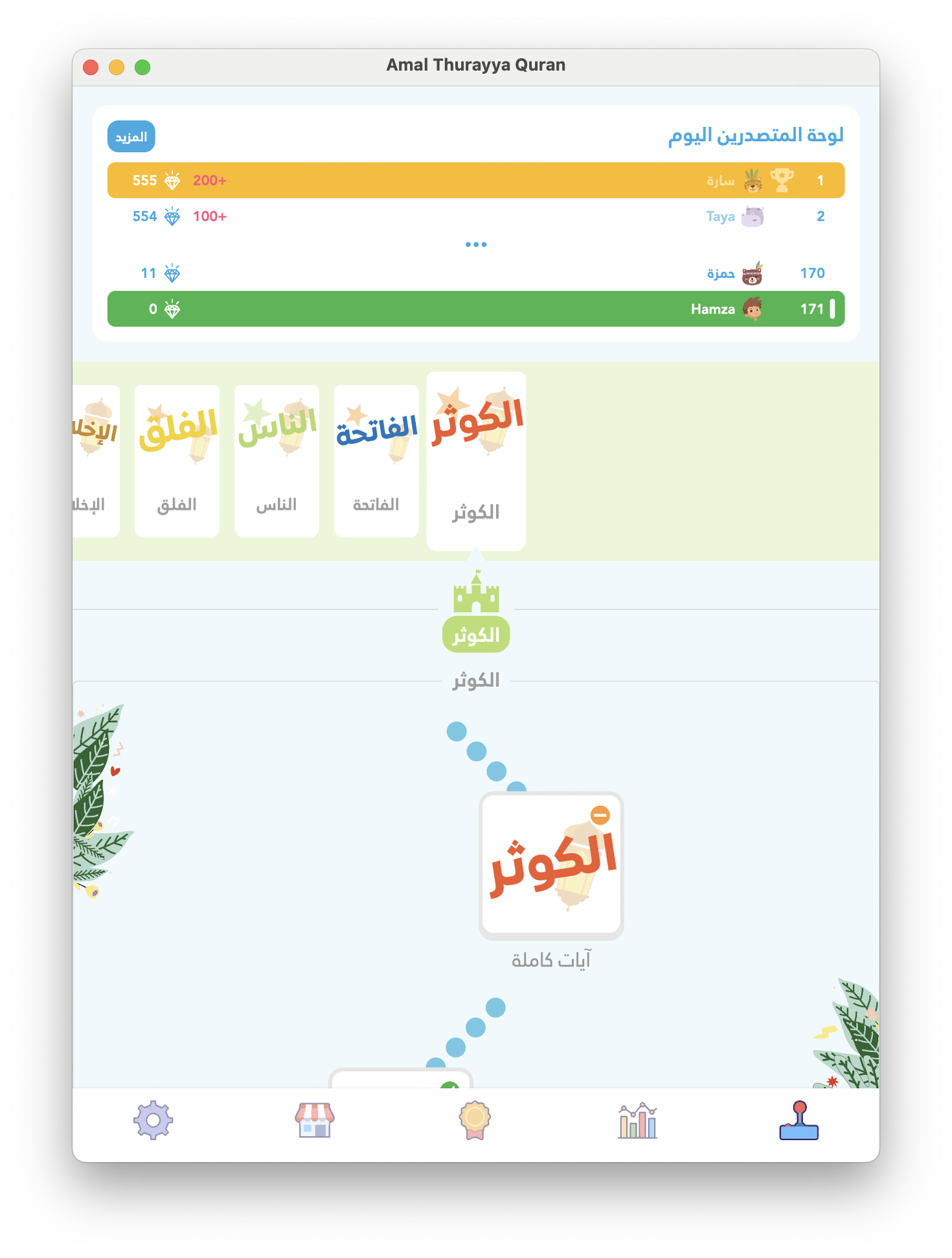
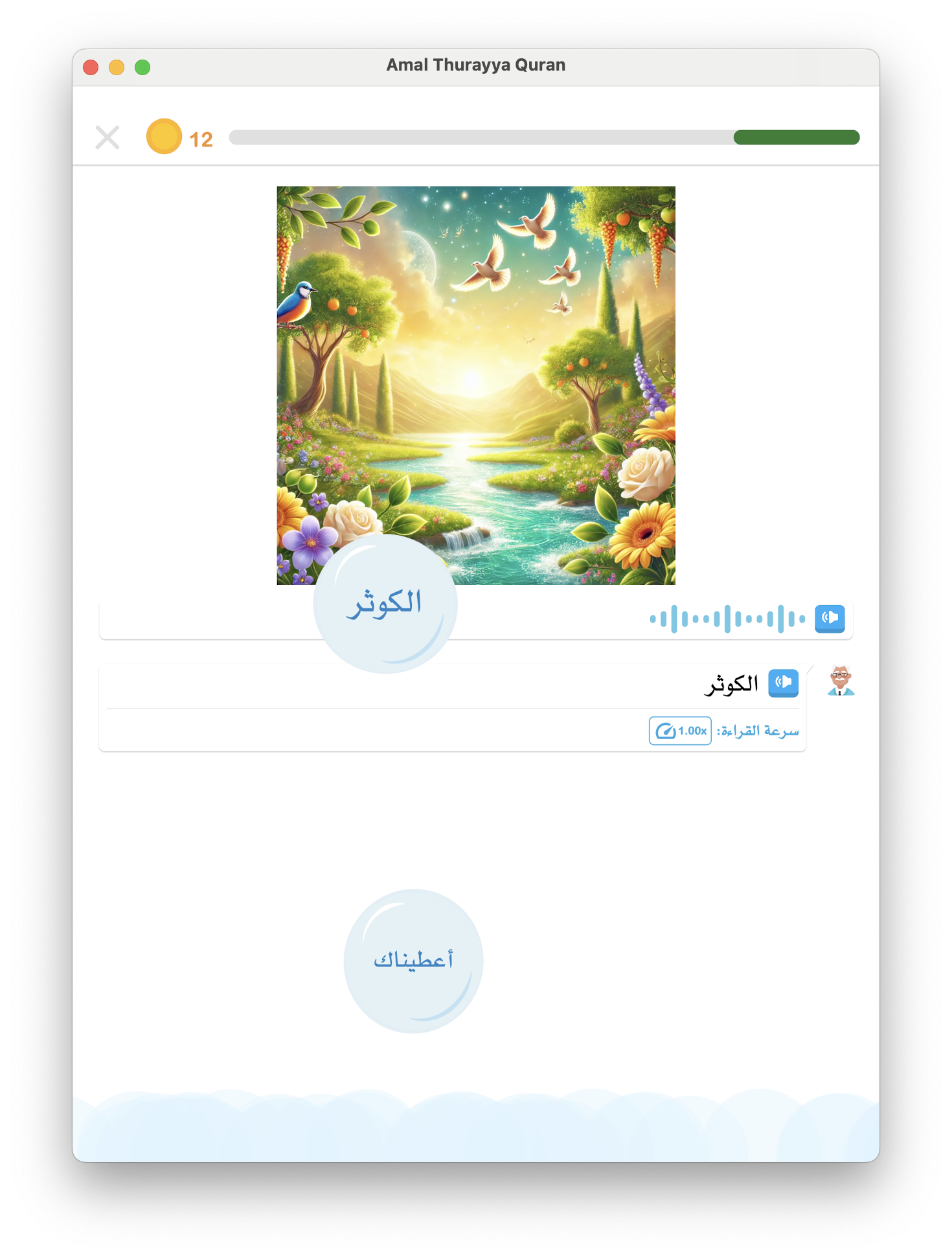
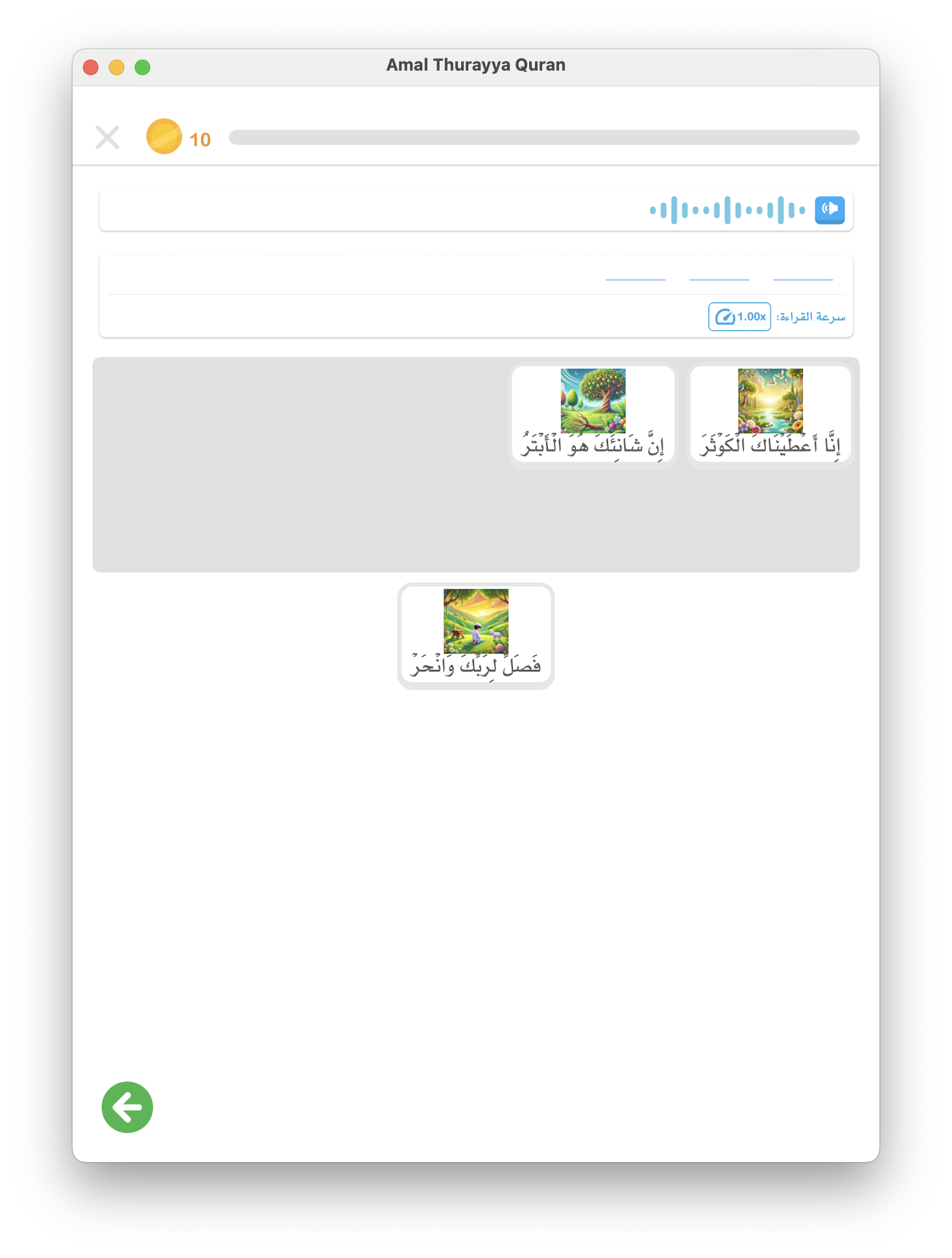
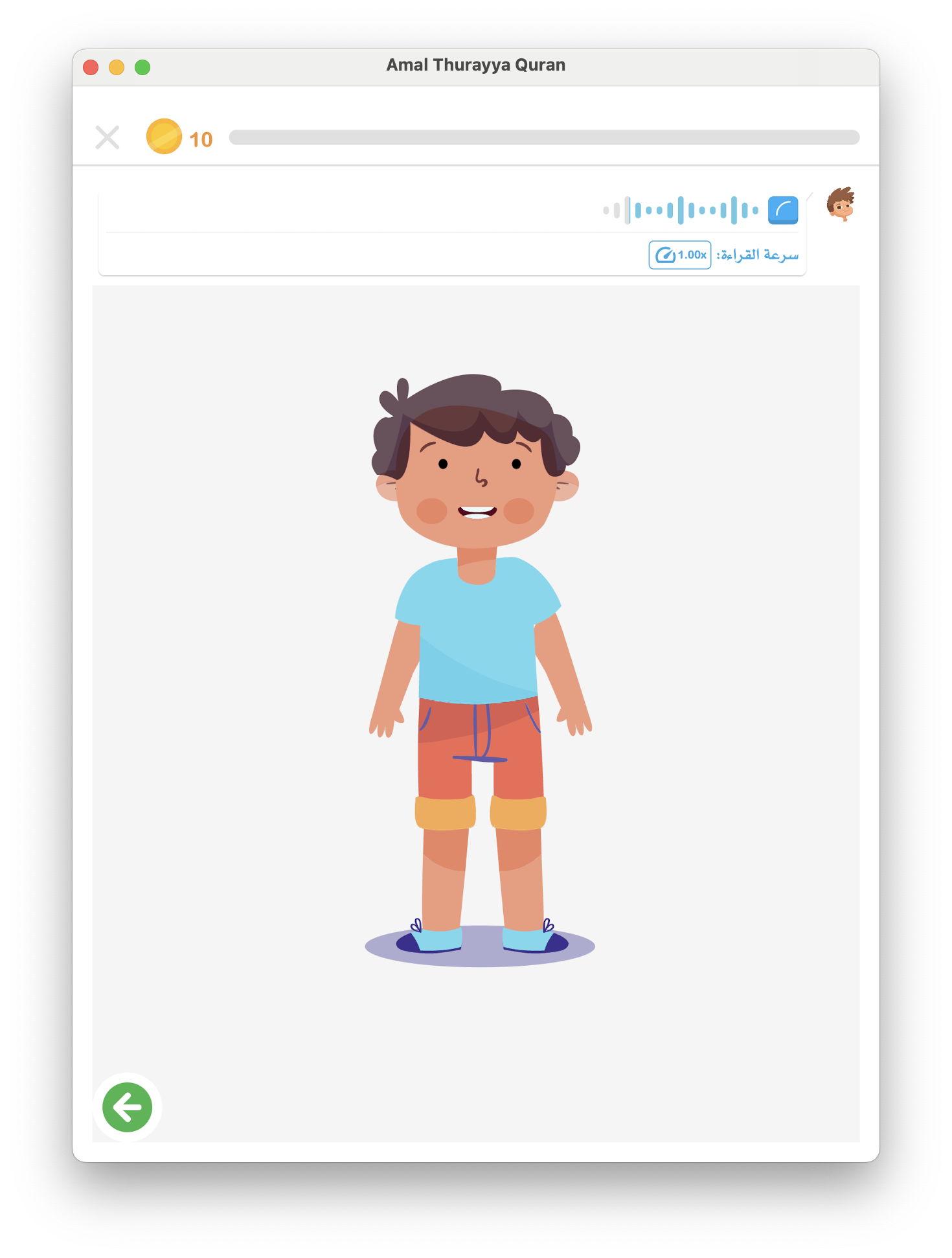
<p>Juz Amma — the 30th and final part of the Quran — is the universally recommended starting point for children's Quran memorization. It contains 37 surahs, most of them short, making it approachable for young learners. <a href="/thurayya">Thurayya</a> guides children through all of Juz Amma using AI speech recognition, ensuring they recite correctly before progressing. It is the best Quran memorization app for children aged 3-8.</p><h2>Why Start with Juz Amma?</h2><p>Islamic scholars have recommended starting Quran memorization with Juz Amma for centuries because: (1) the surahs are short and manageable, (2) many are used in daily prayers, so children immediately apply what they memorise, (3) the subject matter is rich with foundational Islamic concepts — tawheed, gratitude, mercy, accountability.</p><h2>The Surahs of Juz Amma: A Complete List</h2><p>Juz Amma begins with Surah An-Naba (78) and ends with Surah An-Nas (114). The most commonly memorised surahs for children are: Al-Fatiha, Al-Ikhlas, Al-Falaq, An-Nas, Al-Kawthar, Al-Asr, Al-Fil, Quraysh, Al-Ma'un, Al-Humazah, At-Takathur, Al-Qari'ah, Al-Adiyat, Az-Zalzalah, Al-Bayyinah, Al-Qadr, Al-Alaq, At-Tin, Ash-Sharh, Ad-Duha.</p><div class="blog-screenshots"><figure><div class="device-frame-ipad"><img src="/images/screenshots/ipad/quran-surah-juzu-amma.png" alt="Complete Juz Amma surah list in Thurayya Quran app for kids on iPad — all 37 surahs with progress tracking for children's memorization"></div><figcaption>Juz Amma — Complete Surah Journey</figcaption></figure><figure><div class="device-frame-ipad"><img src="/images/screenshots/ipad/quran-kawthar.png" alt="Surah Al-Kawthar interactive recitation in Thurayya on iPad — children recite aloud and AI corrects tajweed in real time"></div><figcaption>Surah Al-Kawthar — AI Recitation</figcaption></figure></div><h2>Recommended Memorisation Order for Children</h2><p>Many Islamic scholars recommend memorising Juz Amma in reverse chronological order (starting from An-Nas and working backwards) because the shorter surahs at the end are easier to memorise and build confidence. Start with: An-Nas, Al-Falaq, Al-Ikhlas, Al-Kawthar, Al-Asr, Al-Fil, Quraysh.</p><h2>How Thurayya Makes Juz Amma Interactive</h2><p><a href="/thurayya">Thurayya</a> introduces each surah through: (1) listening to correct recitation with tajweed, (2) lip-sync animation showing mouth movements for difficult sounds, (3) the child reciting aloud with AI real-time feedback, (4) interactive "build the verse" activities where children arrange words, (5) progressive unlocking as surahs are mastered. This active approach produces retention rates far higher than passive listening.</p><div class="blog-screenshots"><figure><div class="device-frame-ipad"><img src="/images/screenshots/ipad/quran-build-verse.png" alt="Drag-and-drop Quran verse memorization game in Thurayya app on iPad — interactive activity for children learning Juz Amma at home"></div><figcaption>Quran Memorization Activity</figcaption></figure><figure><div class="device-frame-ipad"><img src="/images/screenshots/ipad/character-lipsync-boy.png" alt="AI lip-sync character for Quran recitation in Thurayya app on iPad — animated boy demonstrates correct tajweed pronunciation for children"></div><figcaption>Tajweed Pronunciation Guide</figcaption></figure></div><h2>Frequently Asked Questions</h2><h3>How long does it take to memorize Juz Amma?</h3><p>With consistent daily practice of 20-30 minutes, a motivated child aged 5-8 can memorise Juz Amma in 1-2 years. The key is quality recitation practice, not rushed memorisation. Thurayya ensures children recite correctly, which makes the memorisation stick.</p><h3>Should children understand what they are memorising?</h3><p>Yes, where age-appropriate. Thurayya includes simplified explanations of each surah's meaning, helping children develop a connection to what they are memorising rather than just rote repetition.</p><h3>What comes after Juz Amma?</h3><p>After completing Juz Amma, children typically move to Juz Tabarak (29th part) and then continue backwards through the Quran. Building a strong Arabic language foundation with <a href="/amal">Amal</a> makes this progression significantly easier.</p>

FAQ

What is Juz Amma?

Juz Amma is the 30th and final juz of the Quran. It contains many of the short surahs children usually learn first.

Where does Juz Amma start?

Juz Amma starts with Surah An-Naba.

How many surahs are in Juz Amma?

Parents usually think of Juz Amma as the short-surah section at the end of the Quran, beginning with An-Naba and ending with An-Nas.