
আরবি বর্ণমালায় ২৮টি অক্ষর রয়েছে, যা ডান থেকে বামে লেখা হয়, এবং প্রতিটি অক্ষরের শব্দ অনুযায়ী সর্বোচ্চ ৪টি ভিন্ন রূপ থাকে। বিশেষ করে বিদেশে থাকা প্রবাসী শিশুদের জন্য, আলাদা করে অক্ষর চিনতে শেখানো এবং শব্দ-অক্ষর মিল করা থেকেই শুরু করা সবচেয়ে ভালো। Amal অ্যাপ ২৮টি অক্ষরের সকল রূপ অ্যানিমেটেড ট্রেসিং, উচ্চারণ এবং ইন্টারেক্টিভ গেমের মাধ্যমে শেখায়।
২৮টি আরবি অক্ষর: সংক্ষিপ্ত পরিচিতি
আরবি অক্ষরগুলো হলো: أ ব ত থ জ হ খ দ ঝ র জ স শ স দ ত য অ গ ফ ক ল ম ন হ ও ই। ইংরেজির মতো নয়, প্রতিটি অক্ষরের শব্দ একরকম থাকে — যার ফলে একবার শব্দ শেখা হয়ে গেলে আরবি ফনেটিক্যালি ধারাবাহিক হয়।
আরবি অক্ষরের চারটি রূপ
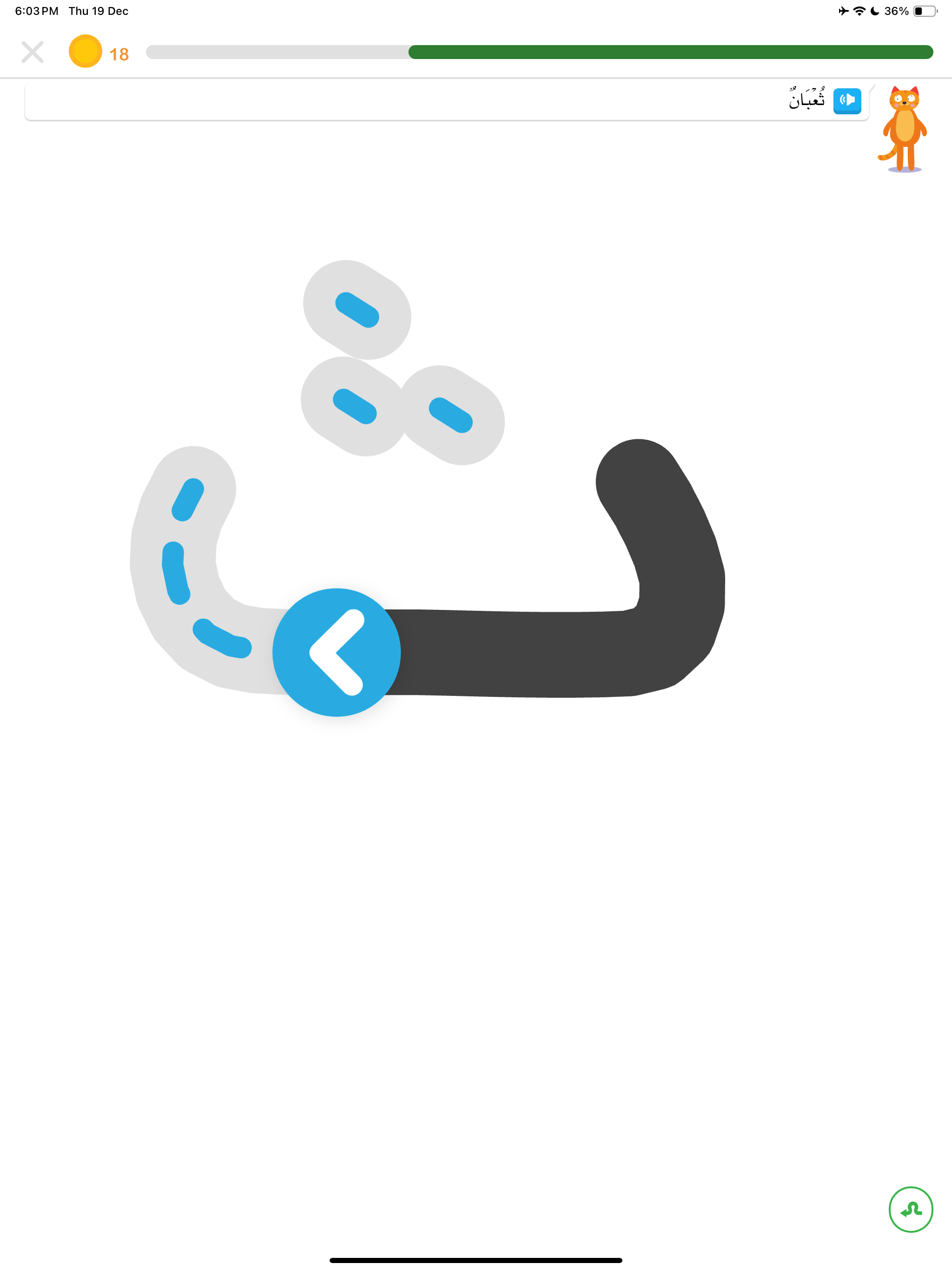
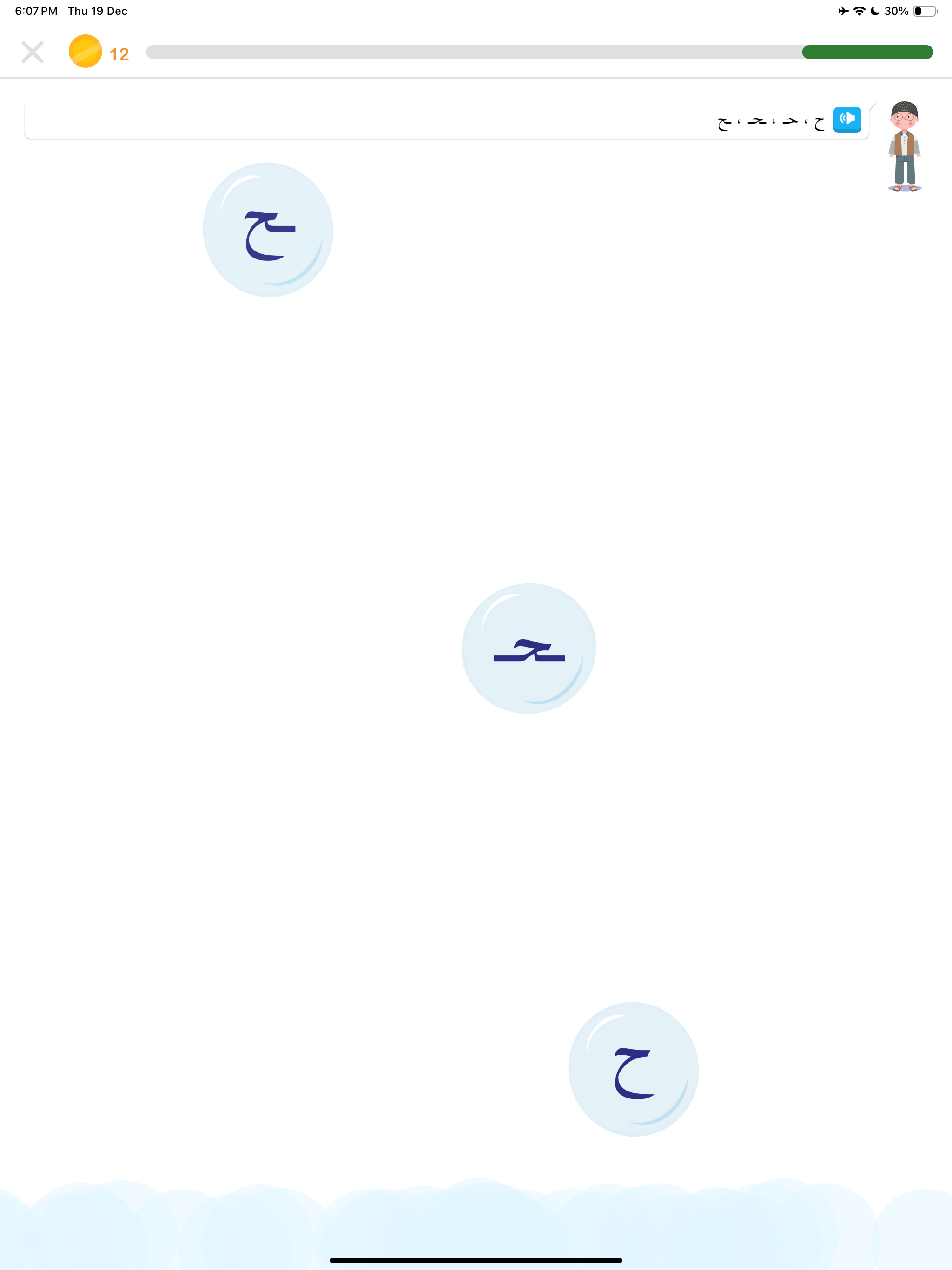
আরবি সাক্ষরতার সবচেয়ে বড় চ্যালেঞ্জ হলো, অধিকাংশ অক্ষরের ৪ ধরনের রূপ থাকে: আলাদা (একাকী), শুরু (শব্দের শুরুতে), মধ্যবর্তী (শব্দের মাঝখানে), এবং শেষের রূপ (শব্দের শেষে)। শিশুদের এই চারটি রূপ শেখা অত্যন্ত গুরুত্বপূর্ণ। Amal অ্যাপ ক্রমানুসারে আলাদা রূপ শেখায় এবং এরপর সংযুক্ত অবস্থায় রূপ পরিচয় করিয়ে দেয়।
আরবি বর্ণমালা শেখার উপযুক্ত বয়স
শিশুরা ২-৩ বছর বয়সে অক্ষর চিনতে শুরু করতে পারে খেলাধুলার মাধ্যমে। ৪-৫ বছর বয়সে সংগঠিতভাবে শেখানো সবচেয়ে কার্যকর। ৭-৮ বছর বয়সে অধিকাংশ শিশু সঠিক নির্দেশনায় সাধারণ আরবি শব্দ পড়তে পারে। Amal অ্যাপ বিশেষভাবে ৩-৬ বছর বয়সের জন্য সহজ ও অডিওভিত্তিক এবং ৬-১৫ বছর বয়সের জন্য পূর্ণ পাঠ, লেখা ও ব্যাকরণ শেখায়।
বাড়িতে আরবি বর্ণমালা শেখানোর টিপস
- পরিচিত অক্ষর থেকে শুরু করুন: প্রথমে আপনার সন্তানের নামের অক্ষরগুলো শেখান।
- অক্ষরের নাম নয়, শব্দ শোনান: প্রতিটি অক্ষরের শব্দ শুনতে শেখান, নাম নয়।
- প্রতিদিন সংক্ষিপ্ত সময় অনুশীলন করুন: প্রতিদিন ১০ মিনিট শেখা, সপ্তাহে ১ ঘণ্টার অনুশীলনের থেকে ভালো।
- দৃশ্যমান, শ্রবণযোগ্য ও লিখনীয় একসাথে করুন: অক্ষর ট্রেস করার সময় তার শব্দ শুনলে ৩ গুণ দ্রুত শেখে।
- অগ্রগতি উদযাপন করুন: প্রতিটি অক্ষর শেখা উদযাপন করা উচিত।
কিভাবে Amal আরবি বর্ণমালা শেখায়
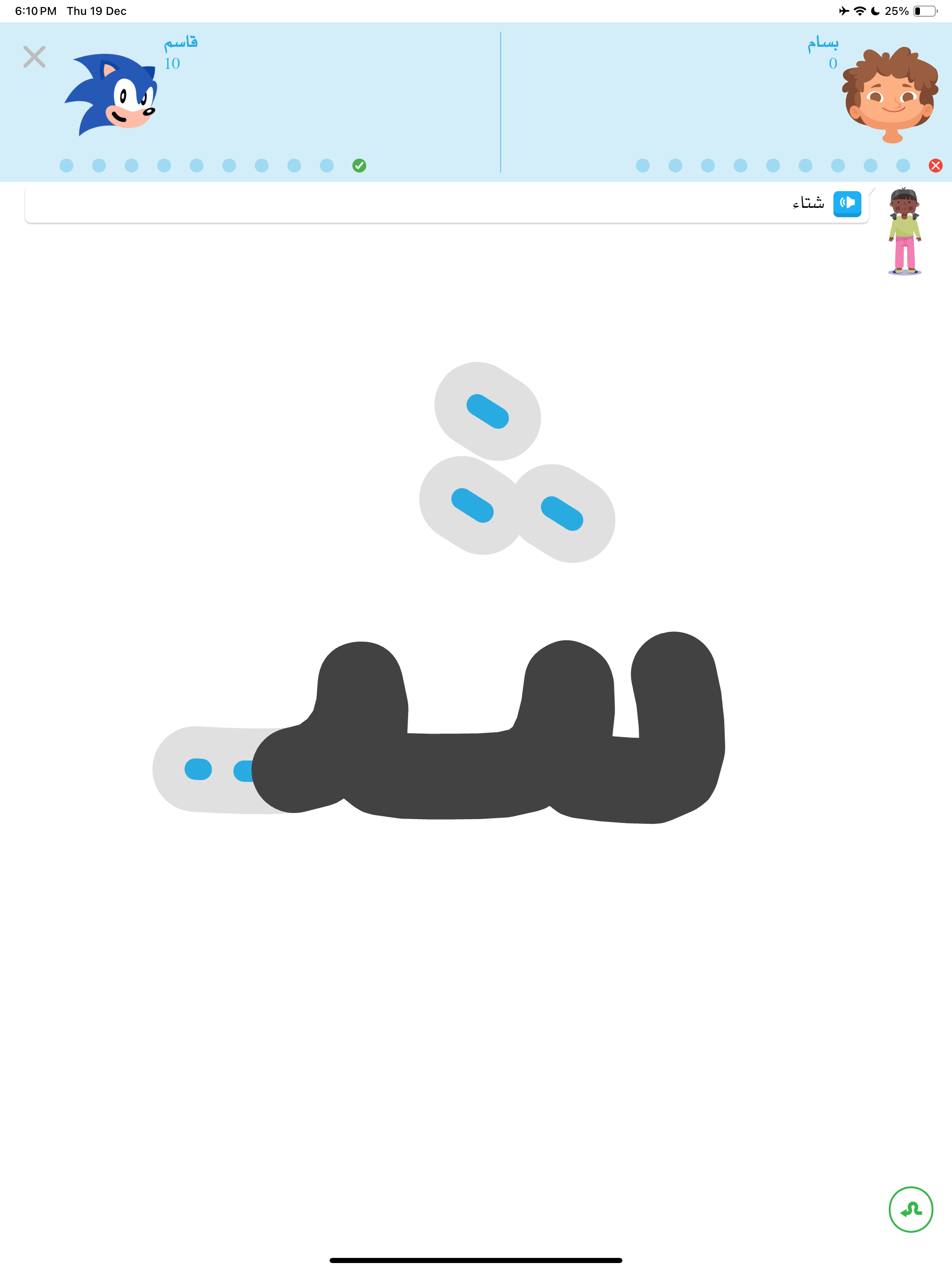
Amal-এ প্রতিটি অক্ষর শেখানো হয়: (১) স্থানীয় উচ্চারণের অডিওসহ অ্যানিমেটেড প্রদর্শনী, (২) চিনতে শিখার জন্য ইন্টারেক্টিভ গেমস, (৩) হাতের লেখার গাইডেড ট্রেসিং এবং (৪) অক্ষরসমৃদ্ধ শব্দ ও বাক্যে পাঠ। AI প্রযুক্তি চিনতে পেরেছে এমন অক্ষর ও অনুশীলন প্রয়োজন অক্ষর চিহ্নিত করে।
সর্বাধিক জিজ্ঞাসিত প্রশ্ন
আরবি বর্ণমালা শেখাতে কত সময় লাগে?
প্রতিদিন ১৫-২০ মিনিট নিয়মিত অনুশীলনে ৫-৭ বছর বয়সী অধিকাংশ শিশু ২৮টি অক্ষর ৩-৬ মাসের মধ্যে চিনতে পারে। সংযুক্ত শব্দ পড়তে শেখার জন্য সাধারণত ৬-১২ মাস সময় লাগে।
শিশুদের জন্য আরবি বর্ণমালা কি কঠিন?
আরবি অক্ষর-শব্দের সিস্টেম ধারাবাহিক হওয়ায় এটি ইংরেজির থেকে সহজ। চ্যালেঞ্জ হলো চার রূপ এবং ডান থেকে বাম দিকের লেখা। Amal-এর মতো সংগঠিত অ্যাপগুলো এই সমস্যাগুলো সমাধান করে।
আমি কি আগে আরবি অক্ষর শেখাব নাকি কুরআন তেলাওয়াত?
প্রথমে আরবি অক্ষর শেখানো উচিত। শক্তিশালী আরবি পাঠভিত্তি গড়ে ওঠার পর কুরআন তেলাওয়াত শেখা সহজ হয়। আপনার শিশু আরবি পড়তে পারে, তখন Thurayya AI সাহায্যে কুরআন তেলাওয়াত অনুশীলন করাবে।